Why Your Business Needs a Mobile App in 2024: Real Talk from a Developer
I've built mobile apps for 10+ businesses. Here's what I learned about why mobile apps matter, when you actually need one, and how much they really cost. No corporate fluff—just honest answers based on real projects.
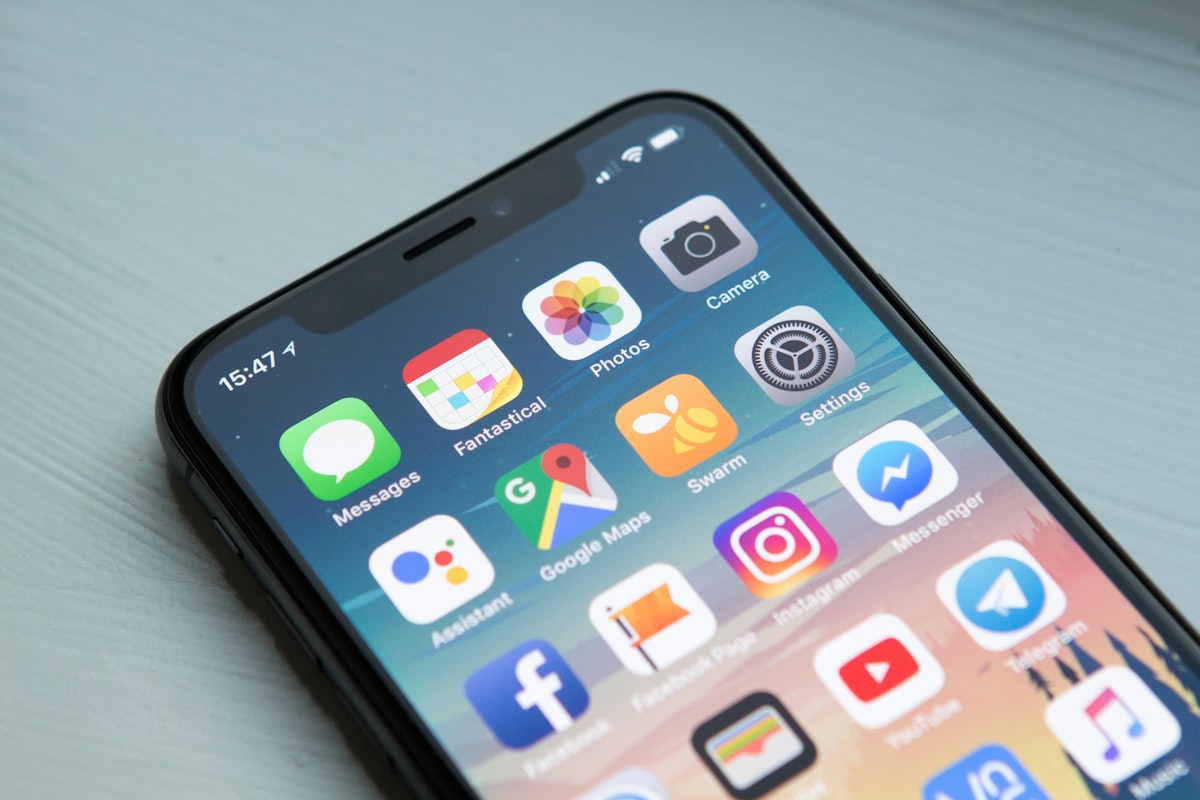
Why mobile apps are essential for business growth in 2024
The Truth About Mobile Apps for Businesses
Last year, a restaurant owner called me asking if he needed a mobile app. His exact words were: "Everyone says I need an app, but I don't know why."
This happens all the time. Business owners feel pressure to "go mobile" but don't understand if it actually makes sense for them.
I've built mobile apps for restaurants, retail stores, service businesses, and startups. Some apps were huge successes. Others were complete wastes of money.
In this guide, I'll share exactly when a mobile app makes sense, when it doesn't, and what you should know before spending money on one.
When You Actually Need a Mobile App
Not every business needs an app. I turn down clients when I know an app won't help them. Here's when an app actually makes sense:
You Need Repeat Customers
Apps work best for businesses where customers come back regularly. Think coffee shops, gyms, subscription services, or delivery restaurants.
A clothing boutique I worked with saw customers visit their app 3.7 times per week on average. They had a mobile website too, but people only visited it once every 2 weeks.
Why? The app sat on their phone's home screen. Convenient access drives repeat visits.
You Want to Send Push Notifications
This is the biggest advantage of apps over websites. You can send notifications directly to customers' phones.
A pizza restaurant I built an app for sends notifications for:
- Daily lunch specials (11 AM every day)
- Friday night deals (5 PM on Fridays)
- Birthday discounts (on customer's birthday)
- Order status updates in real-time
Their online orders increased 89% in the first 3 months. Most came directly from push notifications.
You can't do this with a website. Email open rates are around 20%. Push notification open rates? Over 90% according to my clients' data.
Customers Need Offline Access
Apps can work without internet connection. Websites can't.
I built an app for a tour guide company. Their guides use it to show information to tourists even in areas with no cell signal. The app stores all tour information locally.
This wouldn't be possible with a website alone.
You Need Device Features
Apps can access phone features that websites can't:
- Camera for scanning QR codes or barcodes
- GPS for precise location tracking
- Biometric login with fingerprint or face recognition
- Access to contacts for easy sharing
- Local file storage
A fitness studio I worked with uses the camera for scanning member check-in codes. A delivery service uses GPS to track driver locations in real-time.
When You Don't Need a Mobile App
I've turned down projects where apps didn't make sense. Here's when you should stick with a mobile website instead:
People Only Visit Once or Twice
If customers rarely return, they won't download your app. Why would they waste phone storage for something they'll use once?
Examples where apps often fail:
- One-time service businesses (moving companies, wedding planners)
- Niche information websites
- Event-specific businesses
A wedding photographer asked me about an app. I told him honestly: "Your customers use your services once. Build a great mobile website instead." He saved $15,000 and got better results with the website.
You Have a Small Budget
Let me be real about costs. A basic mobile app costs $8,000-$15,000 minimum. Mid-level apps run $20,000-$40,000. Complex apps? $50,000+.
Plus ongoing costs:
- $99/year for Apple App Store
- $25 one-time for Google Play Store
- Server hosting: $20-$200/month
- Maintenance and updates: $200-$500/month
If your budget is under $10,000, spend it on a great mobile-responsive website instead. You'll reach more people and get better ROI.
You Haven't Proven Your Business Model Yet
A startup founder once wanted me to build a complex app as their first product. I advised against it.
Start with an MVP (minimum viable product)—often a simple website or landing page. Prove people want your product first. Then invest in an app.
Apps are expensive to change. Websites are much more flexible for early-stage businesses.
Real Numbers from Apps I've Built
Let me share actual results from client projects. These are real businesses, not made-up case studies.

Actual results from a coffee shop app I built - paid for itself in 4 months
Coffee Shop Chain - 5 Locations
Investment: $12,000 for app development
Results after 6 months:
- 4,200 app downloads
- 82% of orders come through the app (vs 18% website)
- Average customer visits increased from 2.1 to 4.3 times per month
- Push notification redemption rate: 34%
- Revenue from app users: 67% higher than non-app users
Paid for itself in: 4 months
Boutique Fitness Studio
Investment: $18,000 for app with booking system
Results after 4 months:
- 1,800 downloads (they have 2,100 total members)
- Class bookings increased 156%
- No-show rate dropped from 18% to 6%
- Staff time saved: 12 hours/week (no more phone bookings)
- Member retention improved by 23%
Paid for itself in: 3 months
Local Delivery Service
Investment: $25,000 for app with driver tracking
Results after 8 months:
- 3,100 customer downloads
- 89% of orders through app (11% through website/phone)
- Customer support calls reduced by 71%
- Average order value: 34% higher on app
- Driver efficiency improved 28%
Paid for itself in: 5 months
How to Know If You're Ready for an App
Ask yourself these questions honestly. If you answer yes to most of them, an app probably makes sense.
The Reality Check Questions
Do you have 500+ engaged customers?
If you don't have existing customers, focus on getting customers first. An app won't magically create a customer base.
Do customers interact with you weekly or more?
High-frequency businesses benefit most from apps. Low-frequency businesses should stick with websites.
Can you invest $10,000-$30,000?
Be realistic about costs. Cheap apps usually fail because they're poorly built.
Do you have someone to manage the app?
Apps need ongoing management: updating content, responding to reviews, monitoring analytics, fixing bugs.
Can you market the app to customers?
Building an app is only half the battle. You need a plan to get customers to download it.
What Goes Into Building a Mobile App
Most business owners underestimate what's involved. Here's the reality of app development from my experience:
Planning Phase (2-3 weeks)
We map out every screen, every button, every feature. This prevents expensive changes later.
Questions we answer:
- Who will use this app and why?
- What's the main action users should take?
- How will users navigate between screens?
- What data do we need to collect?
- How will this integrate with existing systems?
Design Phase (2-4 weeks)
Designers create mockups of every screen. We test these with real users before writing any code.
Good design makes or breaks mobile apps. Users judge apps in under 3 seconds. If it looks unprofessional, they delete it immediately.
Development Phase (6-12 weeks)
This is where I actually build the app. For most projects, I build for both iPhone and Android simultaneously using React Native.
Why React Native? It saves money. Instead of building two separate apps (one for iPhone, one for Android), we build one app that works on both platforms.
This cuts development time in half and reduces costs by 40-60%. For example, I recently built Kairot, a comprehensive mobile trading and investment platform with 25+ screens, complete KYC verification, real-time trading calculators, and cross-platform support using React Native - all within a 3-month timeline.
Testing Phase (2-3 weeks)
We test on real devices, not just emulators. I typically test on:
- iPhone 13, 14, and 15 (latest models)
- iPhone 8 (older model many people still use)
- Samsung Galaxy S22, S23, S24
- Google Pixel phones
Every button must work. Every form must validate correctly. Every screen must load fast.
Launch Phase (1-2 weeks)
Submitting to App Store and Google Play takes time. Apple reviews can take 2-7 days. Google is usually faster at 1-3 days.
Then we monitor closely for the first week, fixing any bugs that only appear with real users.
How Much Do Mobile Apps Really Cost?
I get asked this constantly. The answer: it depends. But here are real numbers from my projects:

Where your money goes in mobile app development
Basic App ($8,000 - $15,000)
Features:
- User login and profiles
- 5-10 screens
- Push notifications
- Basic content display
- Contact/support features
Good for: Loyalty programs, simple booking apps, content apps
Mid-Level App ($20,000 - $40,000)
Features:
- Everything in basic app plus:
- Payment processing
- Complex booking systems
- Real-time chat
- GPS/mapping features
- Admin dashboard
- Advanced analytics
Good for: E-commerce, delivery services, service marketplaces
Complex App ($50,000+)
Features:
- Everything in mid-level app plus:
- Real-time multiplayer features
- Video streaming
- Complex algorithms
- Third-party integrations
- Advanced security features
Good for: Social platforms, fintech apps, enterprise solutions
My Honest Recommendations
After building apps for 2+ years, here's my advice for different business types:
Restaurants and Cafes
Yes, get an app if you have 2+ locations or do significant delivery/takeout business. Focus on online ordering and loyalty rewards.
Start with a simple ordering app. Add features later based on customer feedback.
Retail Stores
Only if you have strong repeat customers. Otherwise, invest that money in a great mobile website with easy checkout.
If you do build an app, include in-app exclusive deals to incentivize downloads.
Service Businesses
Great for businesses with regular appointments: salons, gyms, medical practices, tutoring services.
Focus on booking, reminders, and easy rescheduling. These features reduce no-shows dramatically.
Startups
Wait. Prove your business model with a website first. Apps are expensive to change when you pivot.
Once you have product-market fit and steady revenue, then consider an app.
Common Mistakes That Kill Mobile Apps
I've seen apps fail even when the business model made sense. Here are the biggest mistakes:
Making It Too Complicated
One client wanted 47 features in version 1. We launched with 8 core features instead.
Result? 4.7 star rating and 85% user retention. Simplicity wins.
Start simple. Add features based on what users actually request.
Not Marketing the App
Building an app doesn't mean customers will magically find it. You need a marketing plan:
- Email existing customers about the app
- Offer in-app exclusive discounts
- Train staff to mention the app
- Put QR codes on receipts and marketing materials
- Run social media campaigns
Ignoring User Feedback
Monitor app reviews religiously. Respond to every review, good or bad.
I check reviews daily for my clients' apps. Issues get fixed within 48 hours. This maintains high ratings.
Forgetting About Maintenance
Apps need regular updates:
- iOS and Android release new versions yearly
- Security vulnerabilities need patches
- Bugs emerge with real-world use
- Features need improvements based on usage data
Budget $200-$500/month for ongoing maintenance. Apps aren't one-time purchases.
Your Next Steps
If you've decided an app makes sense for your business, here's what to do:
Step 1: Document Your Requirements
Write down:
- Main goal of the app
- Key features you absolutely need
- Features that would be nice to have later
- Your budget range
- Your timeline
Step 2: Look at Similar Apps
Download 5-10 apps in your industry. Note what you like and dislike about each. Take screenshots of features you want.
This gives developers clear examples of what you want.
Step 3: Get Multiple Quotes
Talk to at least 3 developers or agencies. Compare:
- Price (but don't just pick cheapest)
- Timeline
- Portfolio of similar projects
- Communication style
- Post-launch support included
Step 4: Start Small, Scale Later
Launch with core features only. Get real user feedback. Add features based on what users actually want, not what you think they want.
This saves money and leads to better apps.
Questions Business Owners Ask Me
Should I build for iPhone or Android first?
Build for both simultaneously using React Native. It costs only 20-30% more than building for one platform, and you reach 100% of smartphone users instead of just 50%. Check out my Kairot trading app portfolio project to see a real example of a cross-platform React Native app with complex features like payment processing, KYC verification, and real-time trading.
How long does app development take?
Simple apps: 2-3 months. Mid-level apps: 3-5 months. Complex apps: 6-12 months. Anyone promising faster is cutting corners.
Can I update the app myself after launch?
For content updates (text, images): yes, if we build an admin panel. For code changes (new features, design changes): you'll need a developer.
What if my app idea already exists?
That's actually good news—it proves demand. Focus on doing it better or serving a specific niche. Most successful apps aren't 100% original ideas.
Do I need a separate app for iPad?
Not necessarily. Modern apps scale automatically to different screen sizes. But you should test the design on iPad before launch.
Final Honest Thoughts
Mobile apps can transform businesses, but they're not magic. I've seen them succeed brilliantly and fail miserably.
The apps that succeed have:
- Clear purpose that solves a real customer problem
- Business model that benefits from mobile features
- Realistic budget and timeline
- Commitment to ongoing improvement
- Marketing plan to drive downloads
If your business doesn't check these boxes yet, focus on building those foundations first. A mobile website might serve you better right now.
There's no shame in waiting. Better to launch an app when you're truly ready than waste money on something that sits unused.
If you have questions about whether an app makes sense for your specific business, feel free to reach out. I'm always honest about whether an app is the right move.